With the new school year coming up, we know how important it is to prepare for the schedule changes and new challenges that come with the end of summer. Yet once school starts, many parents are surprised when their child holds it together all day at school, only to fall apart at home. This common phenomenon is called after-school restraint collapse. It happens when children spend the school day managing rules, expectations, and social dynamics. Turns out being focused at school uses up a lot of emotional and mental energy. When the child returns home—where they feel safest—that pent-up stress can surface as tears, irritability, or defiance.
We know how hard this can be on parents, plans, and the wellbeing of the whole household. But you don’t have to navigate this alone! Below are some tips to help you support your child and create a calmer home every evening.
Signs to Watch For
After-school meltdowns are usually emotional releases, not bad behavior. Common signs include:
- Emotional outbursts such as crying, yelling, or frustration over small issues
- Withdrawal or clinginess. A child might become unusually quiet or they might need extra reassurance
- Mood swings or defiance, seeming grumpy, or pushing back more than usual
These behaviors reflect release, not disobedience, and they’re a sign that your child needs comfort and space.
How to Support Your Child During After-School Restraint Collapse
For Younger Children (Toddlers–Early Elementary)
- Offer a snack and water right away. Refueling the body helps stabilize mood.
- Allow quiet time before asking questions. Children need unstructured space to transition.
- Create a calm zone with cushions, soft lighting, or cozy corners to help them decompress.
For School-Age Kids (Elementary)
- Practice co-regulation: sit with your child, take a few breaths together, and name the feelings you notice.
- Use simple emotional labeling: “I can see you’re feeling tired and overwhelmed.”
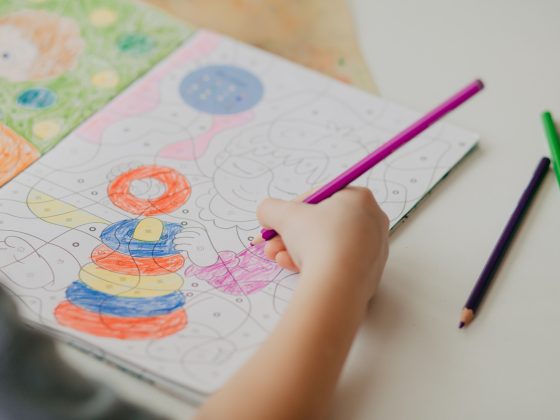
- Encourage calming activities like stretching, art, or deep breathing to release tension.
For Older Kids (Pre-Teens and Teens)
- Be emotionally curious, not pushy. Instead of “How was your day?”, try “Sounds like today was a lot.”
- Help them create soothing routines such as reading, drawing, light exercise, or mindfulness.
- Pay attention to signs of chronic stress, such as sleep problems, appetite changes, or anxiety. If these persist, consider professional support.
Sample After-School Decompression Routine
- Ease into conversation or play when your child is ready.
- Welcome home with snack and water.
- Offer quiet time or a low-stimulation zone.
- Acknowledge feelings through calm words or shared breathing.
- Suggest a soothing activity like drawing or stretching.
Why This Matters
Your home isn’t just where your child drops their backpack, it’s their emotional recharge station. After-school restraint collapse shows just how hard children work to “hold it together” all day long. By meeting them with patience, reassurance, and gentle strategies, you create the safety they need to settle and feel cared for when they get home.
Supporting kids through this transition strengthens not only their self-regulation skills, but also their trust in you. When this happens, home becomes a place where their big feelings are welcome, and that makes all the difference.
Learn More and Get Involved
After-school restraint collapse is a reminder of how much children carry each day, and how important it is for families to have tools and support. Way to Grow walks alongside parents and caregivers from pregnancy through third grade, offering resources, coaching, and community programs that make everyday challenges more manageable.
If you would like to explore how our team can support your family, visit our enroll page to learn more and get started!