How Bilingualism Shapes Children’s Brains + Futures (Pt. 2)

How Bilingualism Shapes Children’s Brains + Futures (Pt. 2)

How Bilingualism Shapes Children’s Brains + Futures (Pt. 2) 150 150 Ann Frances Gregg

In our first post about dual language learners, we explored why home language matters for school success. Now we’ll examine how speaking two languages shapes children’s thinking, learning, and future opportunities.

Way to Grow believes every child deserves support that honors their whole identity, including the languages they speak. Research shows that children who grow up with two languages think differently in ways that create advantages throughout life.
Cognitive Benefits:
How Two Languages Strengthen Young Minds

Problem-Solving + Mental Flexibility

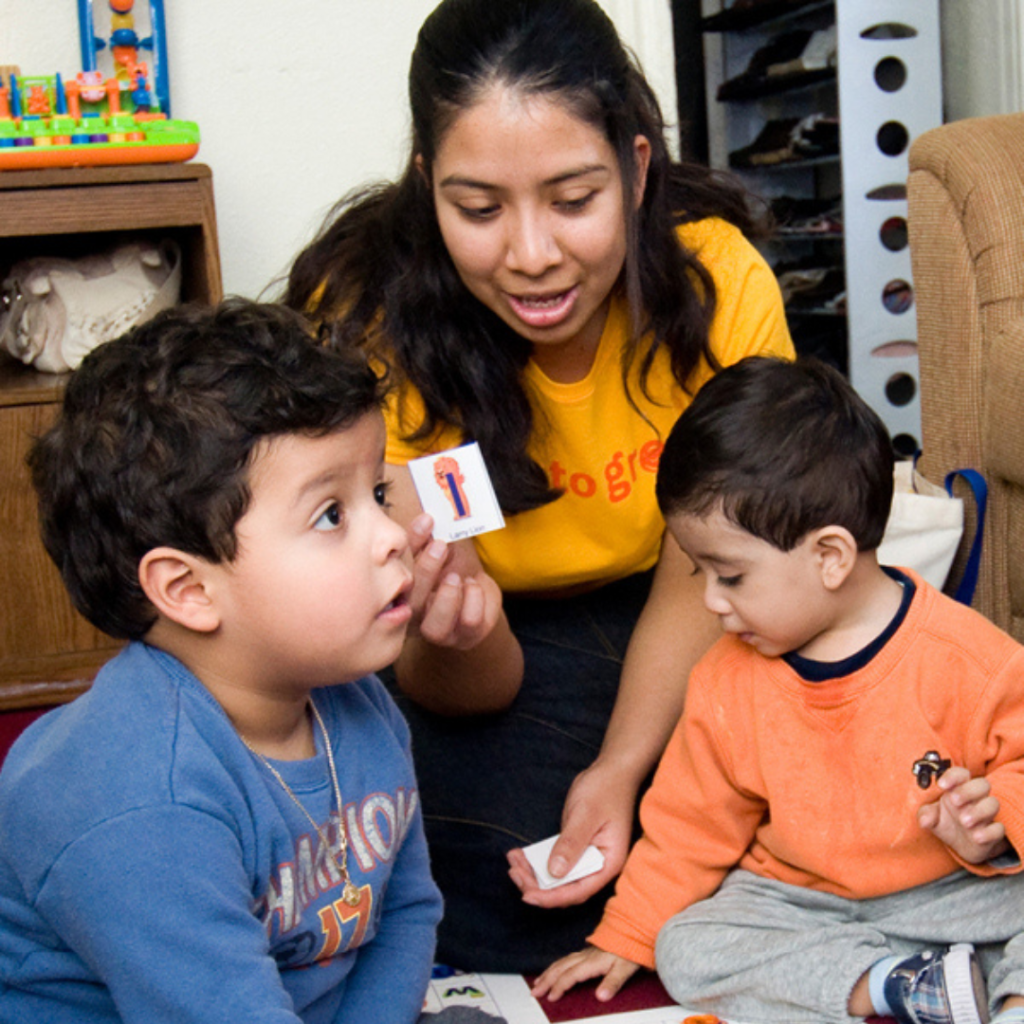
Children who speak two languages often develop strong problem-solving skills. They practice switching between two languages every day. As a result, their brains become skilled at shifting between different ways of thinking. This mental flexibility shows up in many ways. For instance, research shows that children learning two languages often excel at:

• Sorting objects by different rules
• Adapting when rules change
• Thinking about problems from multiple angles
• Finding creative solutions to challenges

Moreover, these skills help beyond the classroom. They build the kind of flexible thinking that supports success throughout life (Cambridge University Press, 2022).

Social + Emotional Understanding

Children who grow up with two languages become skilled at reading social situations. They learn to switch languages based on who they talk to. Consequently, they develop stronger awareness of:

• Other people’s perspectives
• Unspoken communication cues
• Context and meaning in conversations
• How to adjust their communication for different audiences

These social-emotional skills help children build friendships, work in teams, and navigate diverse environments. In fact, these abilities support success in school and beyond.

Bilingualism + Different Learning Needs

Some families worry that learning two languages might challenge children with autism, ADHD, or other learning differences. However, research proves these concerns wrong. In fact, studies show that children with autism spectrum disorder who learn two languages can develop advantages in:

• Working memory tasks
• Cognitive flexibility
• Ability to switch between activities

The key finding: learning two languages doesn’t burden or confuse children with learning differences. Instead, it can offer benefits without causing delays (MIT Press, 2021).

Way to Grow’s experience confirms this research. When families maintain their home language while supporting English learning, children with all types of learning profiles can thrive. Our Family Educators adapt their approach to support each child’s unique strengths and needs.

Economic Benefits:
Career Success + Higher Earnings

The advantages of learning two languages extend far beyond the classroom. Research shows clear economic benefits that last into adulthood.

Growing Job Opportunities

People who speak two languages have significant advantages in the job market. A major study found that demand for bilingual workers more than doubled between 2010 and 2015 (New American Economy, 2017). The research showed that:

• Employers posted over 630,000 job advertisements for bilingual workers by 2015
• Spanish appeared in 86% of bilingual job postings
• Demand exists across many fields, from healthcare to finance
• Opportunities are growing in both high-skill and entry-level positions

This early foundation creates real opportunities later in life.

Higher Earnings Through Life

People who speak two languages earn more money on average than their peers who speak one language. Recent research found that bilingual employees earn 19% more on average (Preply, 2024). Additionally, other studies show that bilingual workers can earn between 5% to 20% more depending on their field and location. Furthermore, this wage advantage appears across many career fields, from healthcare to technology (WorkLife, 2023).

Career Fields with High Demand

Language skills prove especially valuable in these growing fields:

Healthcare: Building trust with patients and families from diverse backgrounds
Education: Supporting students who are learning English
Social Work: Serving communities with varied language needs
Business: Working with international partners and customers
Law: Providing immigration and family law services
• Technology: Collaborating on global teams and projects

In each of these fields, speaking two languages opens doors and creates opportunities for advancement.

Brain Health Benefits in Later Life

One of the most remarkable findings about learning two languages involves brain health later in life. Studies show that speaking two languages throughout life may help support healthy brain function as people age. Research from York University and other institutions found that adults who speak two languages show:

• Delayed onset of dementia symptoms by 4-5 years
• Better cognitive reserve (the brain’s ability to maintain function despite aging)
• Stronger mental flexibility in older age

While this benefit may seem far in the future for young children, it demonstrates how deeply learning two languages can shape brain structure and function throughout life (York University, 2020; Neurology, 2013).

What This Means for Way to Grow Families

Supporting your child’s home language goes beyond preserving culture. It’s also about building cognitive strength, social awareness, and future opportunities. When families choose to maintain their home language:

• Children may develop stronger thinking skills
• Family bonds stay strong across generations
• Cultural identity and pride grow
• Future career opportunities expand
• Long-term brain health may improve

Language-to-Language Support from Way to Grow

Our team of Family Educators understands that supporting two languages can feel challenging. That’s why we work language-to-language with families, providing:

  • Books and materials in English, Spanish, and other languages
  • Guidance on building literacy in both home language and English
  • Strategies for maintaining home language while learning English
  • Connection to community resources and support networks
  • Culturally responsive approaches that honor each family’s unique background

Through our home visiting model, we walk alongside families from pregnancy through third grade. We support children’s development in the language that feels most natural to each family. Whether you speak Spanish at home, Somali, Hmong, or any other language, our goal remains the same: ensuring your child benefits from strong home language skills while developing English proficiency for school success.

Connect with Way to Grow Today

Interested in our language-to-language programming? Our Family Educators would love to talk with you about supporting your child’s development in both languages. Way to Grow walks with families as they grow in both languages because learning starts at home.

Visit waytogrow.org/enroll to connect with our team today.

    Your Name (required)

    Address

    City

    Zip

    Your Email (required)

    Phone

    Preferred contact method:

    EmailPhoneEither

    Available days:
    SunMonTuesWedsThursFriSat

    Time of day available:
    MorningAfternoonEvenings

    Services interested in:
    preschoolspecial projectsteen parentsadministrativeeventsother

    Opportunity interested in:

    Language(s) Spoken besides English:
    AmharicArabicHmongOromoSomaliSpanish

    Other languages spoken:

    Emergency contact (name, phone, relationship):

    Volunteer agreement (required):

    I understand that during the course of my volunteering at Way to Grow, I may come in contact with information that is deemed confidential. This includes, but is not limited to, personal information about Way to Grow participants. I understand that Way to Grow is required by law to keep this information confidential, and I will treat all information I come across as such unless I am told otherwise.

    I understand and agree that I am volunteering for Way to Grow at my own risk and request. I also give permission for the free use of my name, picture and voice in any broadcast, telecast, print account or any other account in any medium of the event being recorded.

    I Accept

    Additional Message: