Editor’s Note
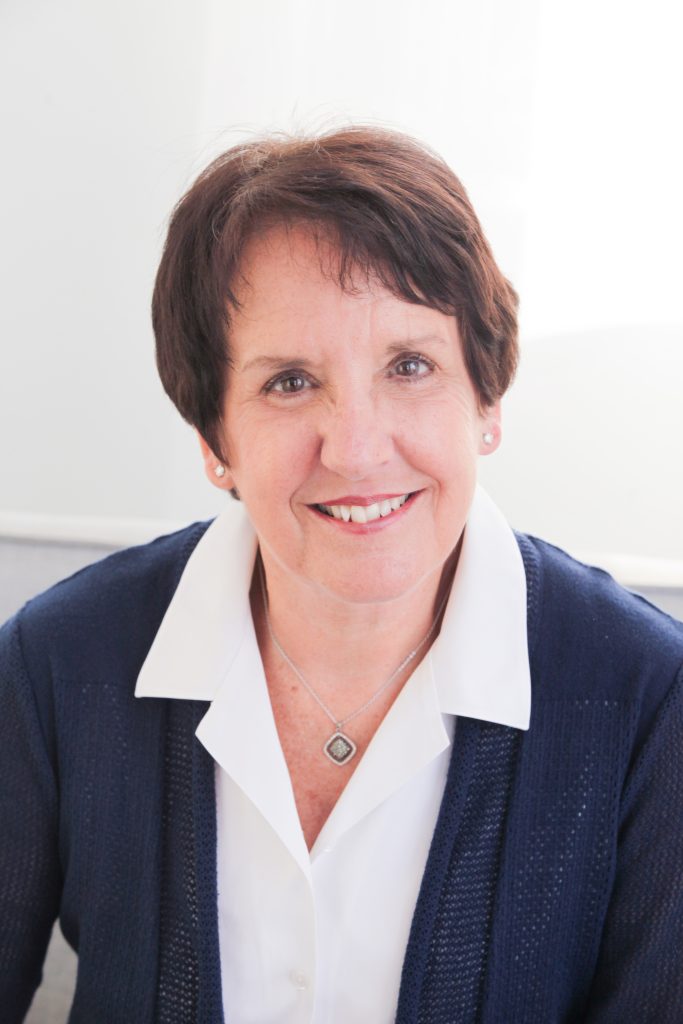
Dr. Marti Erickson and Dr. Erin Erickson are featured speakers at Way to Grow’s Education is Power 2026, taking place May 13 at the Minneapolis Institute of Art. The mother and daughter co-host the parenting podcast Mom Enough and will join us for a live podcast recording and audience Q&A.
The article below reflects the research that has guided Dr. Marti Erickson’s work for decades, including her development of the STEEP program (Steps Toward Effective, Enjoyable Parenting) in 1986. In it, she explores two essential questions: What do young children need to thrive, and what do parents need in order to provide it? The answers are practical, honest, and grounded in real family life.
Join us on May 13 for Education is Power and be part of the conversation.
You probably have heard or read that only one in two Minnesota children enters kindergarten with the foundational skills they need to succeed. And most likely, you are aware of significant disparities among Minnesota children in health, education, and child well-being – gaps that are partly attributed to disparities in opportunity and experience during the earliest years of life. The early years are a highly sensitive period of development; what happens during this time has lifelong effects on how a person learns, loves, and lives.
But in your community and mine, we are presented each day with a fresh opportunity to get it right; each day, babies are born who will thrive in school and life if we and others in our community (and state and nation) work to ensure that they have the experiences they need. High-quality childcare and preschool are part of that equation, but parents continue to be the primary providers of young children’s most potent experiences. So, any serious effort to improve the life prospects of children should start with a thoughtful consideration of parenting.
Picture three Minneapolis families who are about to welcome a baby into their lives:
Maria, a recent immigrant, is 7 months pregnant and still finding her footing in the Twin Cities. Far from her mother and sister in Mexico, she often feels isolated and lonely. Her husband, José, works two jobs and gets little sleep, still plagued by nightmares of the brutal assault of a friend he witnessed before they left Mexico. But he is excited and hopeful about becoming a father and determined to build a good life for his growing family.
When seventeen-year-old Casey learned she was pregnant, she was sure her boyfriend would want to live with her and help her care for their child. Now the baby is due in just two weeks, and Casey hasn’t seen or heard from the boyfriend in more than a month. Casey’s mom wants to help her raise the baby, and Casey knows she needs support. But she does not want her mom to take over, especially since her mom often wasn’t attentive to her when she needed encouragement or comfort as a child. Casey is determined to be the primary person in charge of her baby, letting her family and friends see that she is a good mom. And she wants to decide how involved her mother can be.
David and Anna have been married for six years and are expecting their third child. They love their two kids and are working hard to build stability for their family, but it isn’t easy. Between two jobs, unpredictable schedules, and the demands of everyday life, they rarely have time to catch their breath, let alone sit down and talk. David and Anna each learned different parenting approaches in their families of origin, and those differences often cause tension, especially around discipline and limit-setting. With a new baby on the way, both parents want to do better, but they’re unsure where to begin. They wonder if they could find time to participate in a parenting program that could help them get off to a good start with their baby and even help them resolve some of their differences about how to guide and discipline their older children.
What will the babies born into these different families need if they are to succeed and thrive and find joy in school and life? What can their parents do to put them on a pathway to become caring, competent, contributing adults? A wealth of research points to key experiences these children will need, all of which happen in the context of parent-child relationships.
A Healthy Birth
A child’s first environment is the womb, and its quality depends on good maternal nutrition and avoidance of tobacco, alcohol, and other toxic substances. A healthy birth is also influenced by prenatal care — not only formal medical services, but also informal support and care to keep mom calm and healthy.
A Secure Foundation
Decades of attachment research show that babies thrive with parents who respond sensitively to their cues and signals, fostering a strong sense of security. Within safe, predictable, loving relationships, babies develop trust in others and confidence in their own ability to solicit the care they need. Soothed and comforted at times of distress, young children learn to calm themselves and regulate emotions and impulses. Self-regulation is central to a child’s ability to focus attention, follow directions, and get along with others.
A Rich Language Environment
How, and how much, parents talk to their young children matters enormously to future learning. Parents need to talk to children long before they can talk back; engage children with stories, songs, and rhymes; ask “why,” “how,” and “what if…” questions that stretch children’s minds and vocabularies; and introduce children to the rich world of books. Most likely to thrive and succeed are children who are engaged as active, joyful learners, discovering the wonder and power of the spoken and written word.
Safe and Stimulating Opportunities to Play and Explore
Infants and young children are naturally curious and eager to explore. They advance their own development through exploration and mastery. With sensitive guidance from parents who support their growing autonomy, children build motor skills, cognitive concepts, social understanding, confidence, initiative, and creativity.
Clear and Reasonable Limits
Although children protest when their desires are thwarted, without limits, they feel insecure and overwhelmed by their impulses. Without clear limits, young children will be hard-pressed to learn to set reasonable limits for themselves. To learn and grow optimally, young children need limits expressed in clear, simple language; reasons for the limit (for example, “That’s dangerous,” or “He feels sad when you take his toy.”); logical consequences when they violate limits; and recognition when they behave well. These lessons are magnified when, after children misbehave, parents help them think about what they could have done differently and what they will do next time a similar situation arises.
Opportunities to Make Choices and Handle Responsibilities
The older children become, the more they must make decisions and handle tasks without adult guidance. Preparation for increasing independence begins early in life – a toddler’s choice between two healthy snacks or between the red shirt and the blue shirt. When preschoolers put their toys away before a trip to the park, help clear the table, or fold laundry, they build life skills and discover that they contribute to the common good.
Protection from Violence and Trauma
Both physical and emotional abuse have serious consequences for children’s development; studies show that even witnessing violence does equal harm. Violence teaches young children the roles of both victim and perpetrator. Without appropriate intervention, these destructive patterns are likely to continue into future generations. As researchers like the University of Minnesota’s Megan Gunnar have found, extreme stress and trauma have not only psychological, but physiological, effects on young children, stimulating the production of stress hormones that flood the developing brain and undermine emotional regulation and clear thinking. Some stress, of course, is a normal part of life and can help children build coping skills. But severe or prolonged stress in early childhood, especially when not buffered by the presence of sensitive, loving parents, becomes toxic and does lasting harm.
Now reflect on Maria and José, Casey, and David and Anna, the parents-to-be described earlier, and consider the factors that might help or hinder them in providing those essential experiences for their children. More broadly, what (beyond basic needs for food and shelter) does any parent need in order to provide those important early experiences? Research yields some answers to that question as well, a good starting point for thinking about what our society can do to support parents in this most important job.
Child Development and Parenting Knowledge
Parents need reliable, research-based information about child development – not only the basics of what children typically do at what age, but a deeper understanding of the meaning of certain key behaviors, such as separation anxiety or toddler negativism. They need practical knowledge of positive parenting approaches, which they may not have learned in their family of origin. In our ever-changing world, parents also need up-to-date knowledge about the effects of new trends on children’s development. For example, what is the proper place of technology in the life of a baby or young child? What are the effects of nearly constant cell phone use on the responsivity of parents, so essential to attachment?
A Viable Support System for Themselves
Although parental knowledge is important, the greatest challenge often lies in the space between what a parent knows and what a parent does. It is in that space that support plays such a critical role. Parents need both instrumental and emotional support to enable them to apply their best knowledge. Although formal programs are important, particularly in the face of mental health problems or other significant risk factors, informal support from family, neighbors, and friends often matters even more. Safe neighborhoods, parks, community centers, places of worship, and other welcoming, accessible gathering places can help parents build the support networks that will sustain them and their children.
A Safe Place to Consider Their Own History
In recent years, both attachment research and studies of intergenerational cycles of abuse and neglect have focused on how important it is for parents to reflect on how they were parented, examine how that experience shapes their relational behavior and responses to stress, and consider what they want to repeat and what they want to leave behind in their own approach to parenting (what I call “looking back, moving forward”). Attachment research shows that how we parent is not only a function of how we were parented, but how we have come to think about the way we were parented. That reflective process can happen in many ways, both informally and formally. But, for parents who received very poor care in their own childhoods, the process happens best, individually or in a group, with the guidance and support of a well-prepared professional.
So, how well are we helping to ensure that parents have what they need so they can provide what their children need? What is happening in your community for parents like Maria and José, Casey, David and Anna?
Many years ago, a young mother much like 17-year-old Casey told me how overwhelmed she felt when she looked at her tiny son and thought of how little she knew about babies and how little she had learned about good parenting in her own childhood. Tearfully, she whispered, “All I can do is look into his eyes and say, ‘Here I am, here I am’.”
That will be a good place for Casey to start when her baby is born in a couple of weeks. And it would be a good place for us to start if we looked into Casey’s eyes (and Maria’s, José’s, David’s, and Anna’s), and said to them, in words and actions, “Here I am, here I am.”