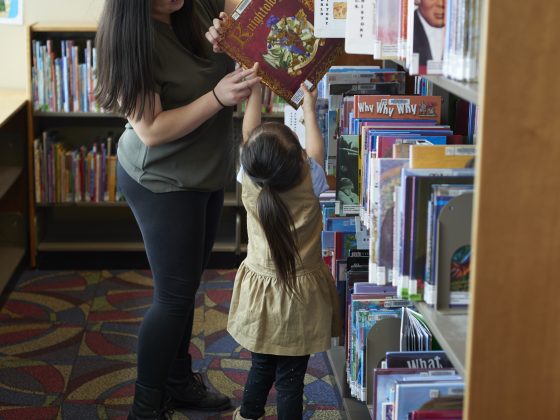
Children look to trusted adults for reassurance during uncertain times. Way to Grow offers guidance on talking to children about difficult events at every age, with age-appropriate strategies that help kids feel safe and understood.
Quick Tips for Talking to Children
- Start with connection before explanation
- Use age-appropriate language and detail
- Limit exposure to news coverage
- Maintain consistent daily routines
- Model calm behavior
- Encourage questions and validate feelings
- Watch for signs that additional support is needed
What Children Need
Children look to trusted adults for reassurance during uncertain times. They need:
- Truth delivered with care: Age-appropriate explanations that help them understand without overwhelming them
- Emotional safety: Permission to ask questions and express feelings
- Consistent routines: Predictable structure that helps them feel grounded
- Connection: Extra time with caregivers who make them feel loved and protected
Children Notice More Than We Think
Even when adults try to shield them, children sense tension and worry. They hear conversations, see reactions, and pick up on changes in routine. Young children may not understand the details, but they feel the emotional weight. Older children may hear fragments of news and fill in gaps with their imagination, which can create more fear than the truth.
The goal is not to eliminate all worry. The goal is to help children understand what is happening in ways that feel manageable and grounded in love.
Start With Connection
Before diving into explanations, check in. Ask open-ended questions: “What have you heard?” or “How are you feeling today?” Listen without interrupting. Sometimes children need space to share before they are ready to hear more.
For younger children, connection might look like extra cuddles, shorter check-ins, or gentle questions about their day. For older children, it might mean sitting side by side and creating space for conversation without pressure.
Share Age-Appropriate Truth
Children deserve honest answers, delivered with care. The American Academy of Pediatrics recommends adjusting your response based on age and emotional readiness.
Toddlers and Preschoolers (Ages 2-5)
Keep explanations simple and brief. Focus on what is happening right now and what adults are doing to keep everyone safe. Reassure them that they are protected and loved.
Example: “Some people are feeling worried right now. Our family is safe, and the grown-ups around you are making sure you stay safe.”
Early Elementary (Ages 6-8)
Provide clear facts without overwhelming detail. Answer their questions directly, but do not volunteer information they have not asked for. Help them understand that many people are working to help.
Example: “Something happened that made a lot of people feel scared. The people in charge are working hard to help everyone stay safe.”
Older Elementary and Middle School (Ages 9-12)
Older children can handle more information but still need reassurance. Encourage questions and validate their feelings. Talk about what they can control, like staying connected to family and helping others.
Example: “You may have heard about what happened. It is okay to feel upset or confused. Let us talk about what you have heard and what questions you have.”
Limit Media Exposure
Repeated exposure to news coverage can increase anxiety in children and adults. The National Child Traumatic Stress Network recommends limiting children’s access to news reports, especially graphic images or videos.
For young children, turn off the news when they are present. For older children, watch or read news together and provide context for what they see.
Model Calm and Care
Children take cues from the adults around them. If you are anxious, they will feel anxious. If you are calm and steady, they will feel more secure.
This does not mean hiding your feelings. It means managing your emotions in ways that help children feel grounded. Take breaks, talk to other adults, and practice self-care so you can show up for your children with patience and presence.
Maintain Routines
Consistency helps children feel safe. Keep bedtimes, mealtimes, and family rituals as regular as possible. Predictable routines provide stability when the world feels unpredictable.
If routines need to change, explain why and reassure children that the changes are temporary and meant to keep everyone safe.
Encourage Action and Connection
Feeling helpless increases anxiety. Help children channel their feelings into action. This might look like drawing pictures for community helpers, writing thank-you notes or talking about ways to help neighbors.
Older children might want to volunteer, donate, or participate in community efforts. Support these impulses while ensuring the activities are age-appropriate and emotionally safe.
Supporting Children Through Immigration Fears
Children sense when their caregivers are afraid, even when adults try to hide it. The National Child Traumatic Stress Network offers guidance on supporting children during immigration enforcement actions.
- Be honest within limits. Tell children the truth in age-appropriate ways. Avoid sharing details that will increase their fear.
- Reassure them of the plan. Let children know that trusted adults will care for them no matter what happens.
- Maintain routines. Keeping daily schedules consistent helps children feel safe and grounded.
- Remind them schools are safe. Schools welcome all children regardless of immigration status.
When to Seek Additional Support
Some children need more help processing difficult events. Warning signs include:
- Persistent nightmares or sleep problems
- Withdrawal from activities and friends
- Physical complaints without medical cause
- Significant behavior changes lasting more than two weeks
- Regression in behavior (bed-wetting, clinginess in younger children)
- Increased anger or irritability
If you notice these signs, talk to your child’s doctor or contact a mental health professional.
Other Resources in this Series
- Supporting Families and Children Through Difficult Events (Main Page)
- Immigration Support and Safety Planning
- What Grown-ups Need During Difficult Times
- Crisis Hotlines and Community Resources for Families
Way to Grow Is Here
Way to Grow walks alongside Twin Cities families through every season. Our Family Educators provide support, connection, and guidance from pregnancy through third grade.
- Learn About Our Programs
- Become a Way to Grow family today
- Contact us by emailing wtg@mplswaytogrow.org or call 612.874.4740