
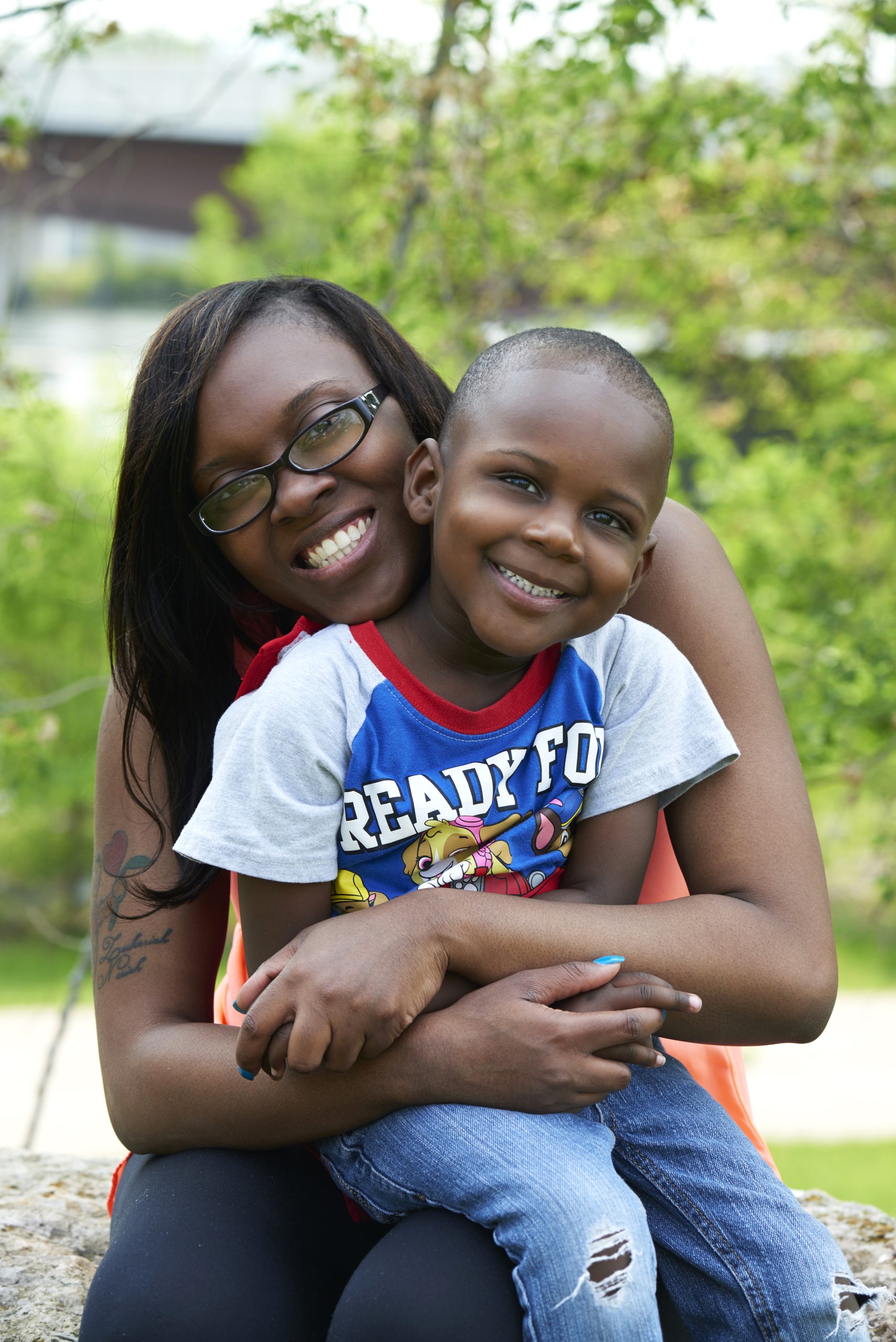
Love to Learn: Home Visiting Activities for Kids
Have you ever wondered what a home visit actually looks like? These activities give you a peek inside — and a chance to try it yourself! Each one is built around an everyday moment a Way to Grow Family Educator might notice during a visit, and designed around the skills and milestones that matter most at each age. The best part? They bring you and your child closer together in the process.
Way to Grow Family Educators meet you where you are. They notice what your child is already doing and help you turn those everyday moments into opportunities for learning and connection. One big idea behind this work is something called serve-and-return. Think of it like a game of catch—your child throws the ball, and you throw it back. Only instead of a ball, it’s the small moments that happen all day long.
- The “Serve”: Your child reaches out through a sound, a look, a question, or a gesture.
- The “Return”: You respond, and your child knows they’ve been heard.
- The back-and-forth: That exchange, repeated over and over, builds connection and lights up your child’s brain.
These back-and-forth moments do more than feel good, they’re literally building your child’s brain. Research from the Harvard Center on the Developing Child shows that serve-and-return interactions strengthen the neural connections that form the foundation for language, social skills, and emotional well-being. In fact, the brain actually expects this kind of responsive exchange and is considered essential for healthy development. Something as simple as naming what your child is looking at or feeling helps make critical language connections, even long before they can talk or understand words.
The three activities below show what home visiting can look like in real life, one for each age group. You might be surprised how much of this is already happening in your day!
Ages 0 to 2: Talk About What You See
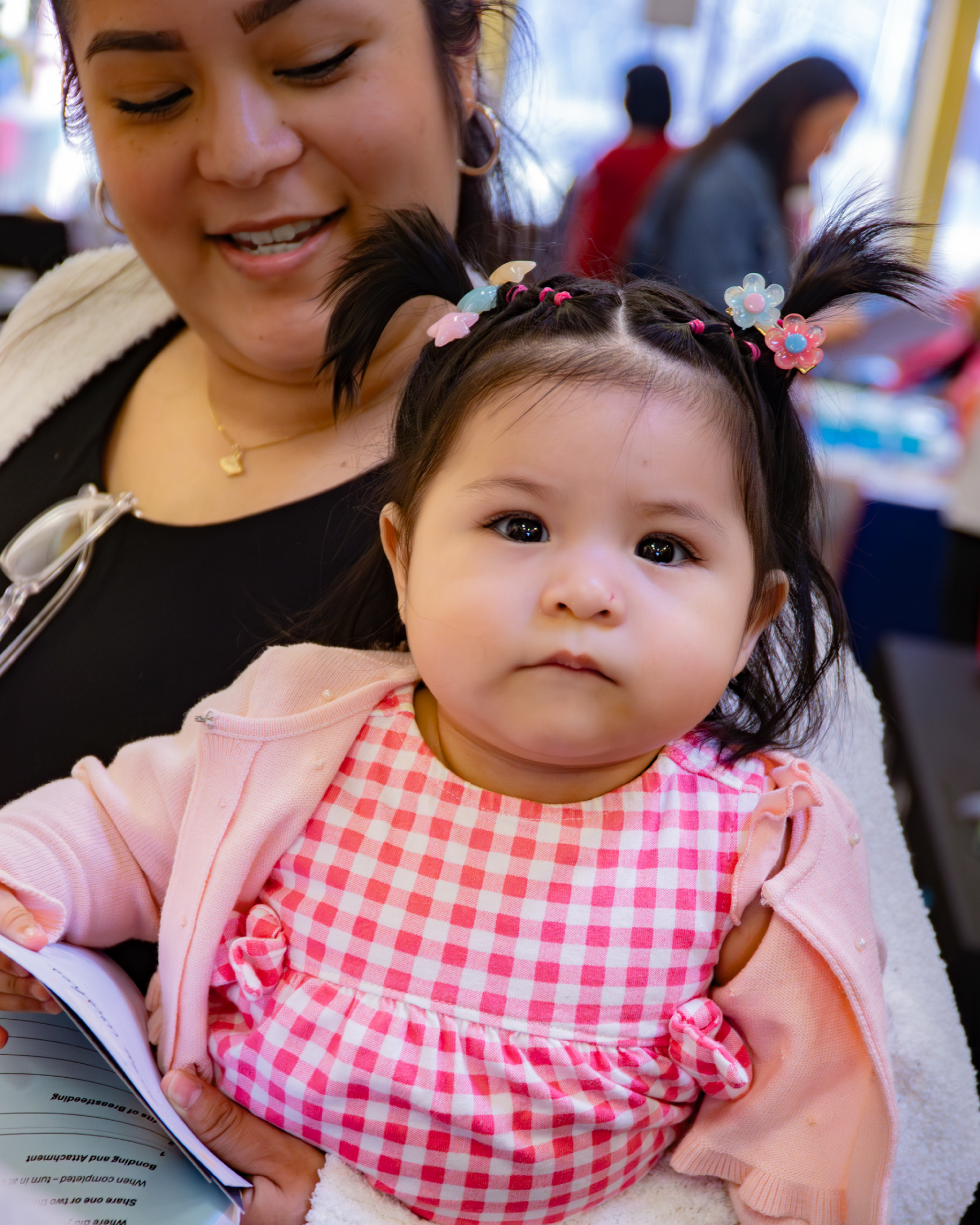
Babies and toddlers are constantly taking in the world through everything they hear, see, and experience. One of the most powerful things you can do is name that world out loud for them.
Try this:
Step outside together, or look out a window, and say what you notice: “I hear a bird,” “The ground is wet,” or “That car is loud.”
When your child points at something, makes a sound, or looks at something new, follow their lead. Name what they’re seeing, ask a simple question, and keep the conversation going even if they can’t respond yet. That’s serve-and-return in action!
All of that talking, narrating, and responding is doing more than you might realize. According to Zero to Three, children who hear more words spoken directly to them develop stronger vocabularies and early literacy skills. It doesn’t have to be perfect, and it doesn’t have to happen in English to count.
Ages 3 to 5: Turn Routines Into Learning
Preschoolers are busy building the skills that lay the groundwork for kindergarten: hearing sounds in words, grouping objects, and noticing patterns. The good news is that these skills don’t require special activities or dedicated time. They fit naturally into what you’re already doing!
Try this:
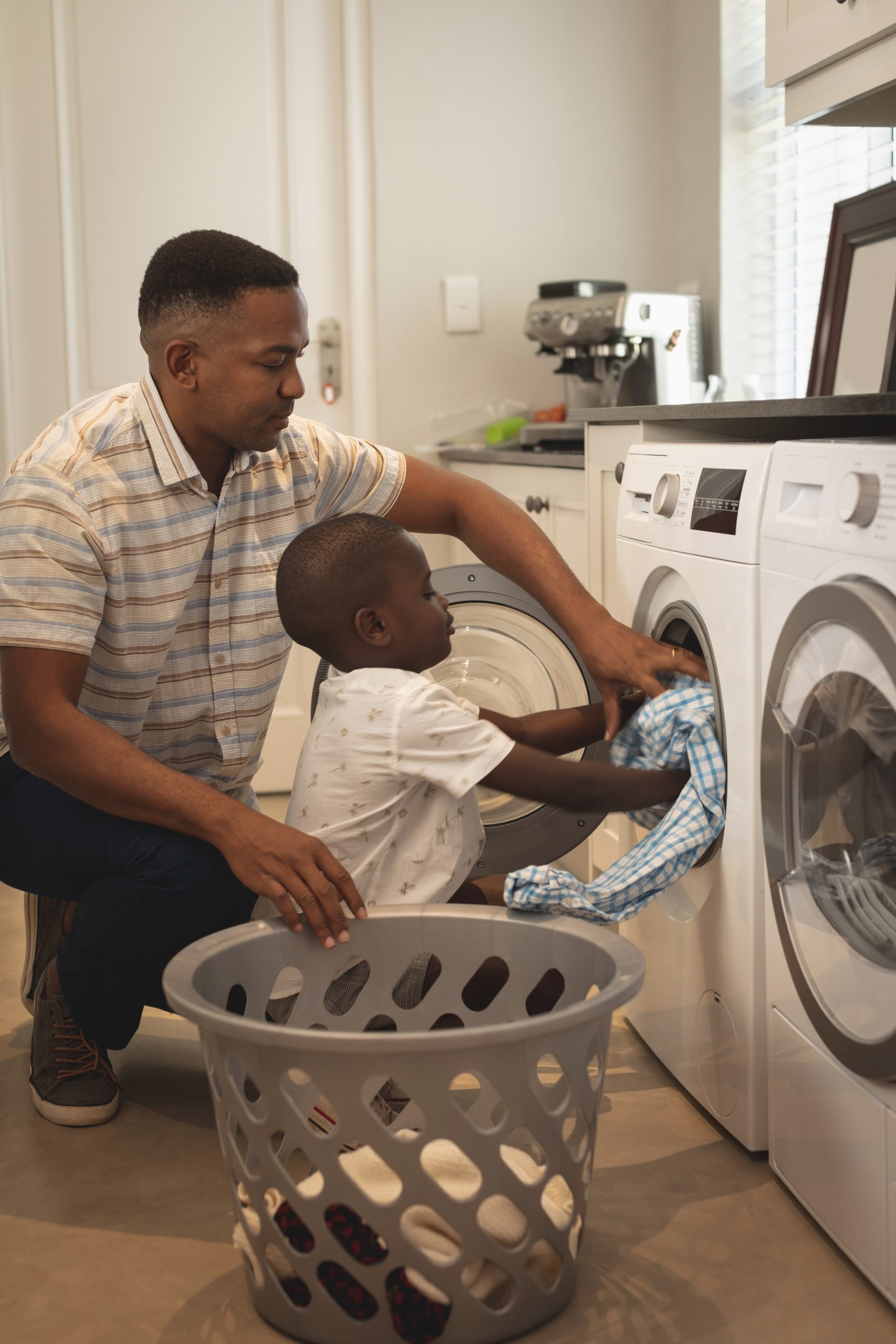
- While folding laundry, start a rhyming game. Say a short, simple word and ask your child what sounds like it. Silly answers are very much encouraged!
- While cleaning up toys, ask your child to sort them into groups by color, size, or type.
- While getting dressed, point to something and ask what sound it starts with. Then wait. Giving your child time to think and answer is part of the learning.
That last one is worth pausing on. That moment of waiting, of resisting the urge to jump in with the answer, is itself a form of serve-and-return. It gives your child space to use language, take a risk, and build confidence in their own thinking.
These are exactly the kinds of moments Way to Grow Family Educators look for during home visits, using the Parents as Teachers curriculum to weave learning into the fabric of everyday life.
Ages 6 to 8: Take Stories Outside
Children ages six to eight are learning more than how to sound out words. They’re learning to understand stories and tell their own, and that skill grows best when stories connect to the world they already know.
Try this:
Take a book outside and read a few pages together, then stop and ask your child to tell you what’s happened so far. Walk a little further, read a few more pages, and try a question like “What do you think happens next?” or “Why did the character do that?” There are no wrong answers here!
No book? No problem. Start a story together as you walk and give your child a first line: “Something unusual showed up in our neighborhood today.” Then listen. Let them build from what they see around them, whether that’s a tree, a neighbor, or a stray cat. The story belongs to them.
This kind of back-and-forth storytelling matters more than it might seem. The Annie E. Casey Foundation has found that reading proficiency by third grade is one of the strongest predictors of a child’s success in school. And that proficiency isn’t built through reading alone. It grows through conversation, through questions, and through exactly the kind of storytelling you’re doing right now.

In Their Own Words
Way to Grow Family Educator Guadalupe has seen what these moments add up to over time:
“I feel proud of the kids when I see them doing activities like this because they’re doing it. They started not knowing anything. I feel proud of the families, too, when I see how much they’ve grown with my support. We learn from each other.”

This Is What Home Visiting Looks Like
Home visiting is built on something simple: the belief that you already know your child better than anyone. A Way to Grow Family Educator isn’t coming to your home to tell you what to do differently. They’re coming to notice what’s already happening, reflect it back to you, and help you see just how much learning is already taking place in your everyday life together.
Way to Grow works with families from pregnancy through third grade, using the Parents as Teachers curriculum as a foundation. But the heart of this work is the relationship. It’s a Family Educator who knows your child by name, who celebrates the small wins with you, and who shows up consistently so that you don’t have to figure it out alone.
The activities in this post are a small glimpse into what that can look like. A walk around the block. A pile of laundry. A book read in the backyard. These are the moments that add up, and you’re already living them! Way to Grow’s goal is simple: to support you as your child’s first and most important teacher.
If you’re already working with a Way to Grow Family Educator, bring these activities to your next visit and see where the conversation takes you. If you haven’t connected with us yet, we’d love to meet you and your family. Learn more about Way to Grow’s home visiting program or get started today.