
May is Mental Health Awareness Month, and this one is for anyone who knows what it’s like when worry takes up a lot of space. Children’s books often help readers understand bigger, more complicated feelings in ways that are simple, clear, and… surprisingly useful for adults, too.
If your child has ever said “but what if…?” before school, before a birthday party, or anywhere, then this book may be just the thing for them.
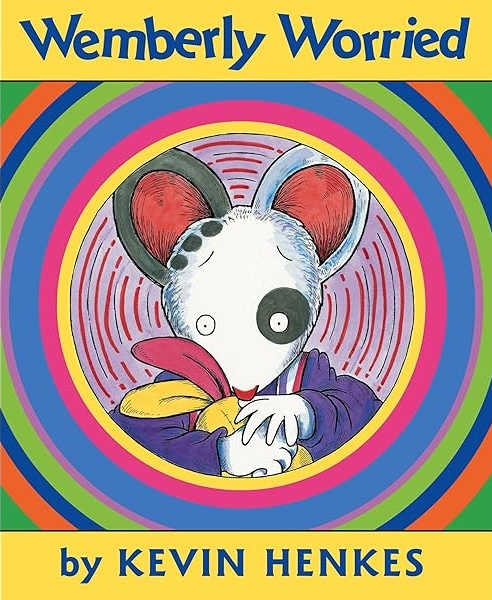
Wemberly Worried by Kevin Henkes follows a little mouse who worries about everything. They’re the kind of worries that might seem tiny from the outside but feel very big and real for a young mouse. When Wemberly finally gets to nursery school, she makes a new friend. Jewel is a lot like Wemberly, and just like her, she worries sometimes, too. And suddenly, something shifts.
Wemberly realizes she isn’t alone, and that makes all the difference.
Why We Love it for May
Anxiety in young children is more common than people might realize. Worry can show up as clinginess, stomachaches, or having a hard time separating at drop-off. It can look like a child who needs to know the plan before they can settle in and feel safe. This isn’t bad behavior, it’s a child trying to make sense of a big world.
What makes this book so helpful is that it reminds children that their feelings are real and valid. It also lets them know that other kids feel this way, too. And it reminds them that scary feelings don’t have to stop them from trying something new.
A Note for Caregivers
When children have big feelings, books like Wemberly Worried can make hard conversations feel a little easier to start. They can give kids words for feelings they might not know how to explain yet, and comfort in not being alone. After you read the book together, you can ask:
- “Is there anything you worry about?”
- “What does worrying feel like in your body?”
- “What helped Wemberly feel better?”
There are no wrong answers. You don’t have to fix everything right away. Sometimes it helps children to know a grown-up is listening and is there for them.
Here for Your Family
During a home visit, Way to Grow Family Educators talk with families about all kinds of things, from letter sounds to the emotional side of early childhood. If you’re noticing new worries, big feelings, or changes in behavior, your Family Educator is a good person to talk with. They can help families think through child development, routines, emotions, and everyday challenges together. They’re there to support your whole family through the everyday ups and downs, including the worries. Way to Grow is there to remind children and caregivers that they’re not alone.