We all know that Minnesota weather can change in a hurry. One minute the kids are outside playing, and the next everyone is heading indoors because the sky has turned dark. Knowing a few severe weather safety basics can help kids feel calm and prepared when those moments happen.
You might hear the outdoor warning sirens on the first Wednesday of the month and suddenly have a little one asking why they’re so loud. That’s actually a great time to have a simple conversation with your child about storms and your family’s severe weather plan.
Talking to Kids About Severe Weather
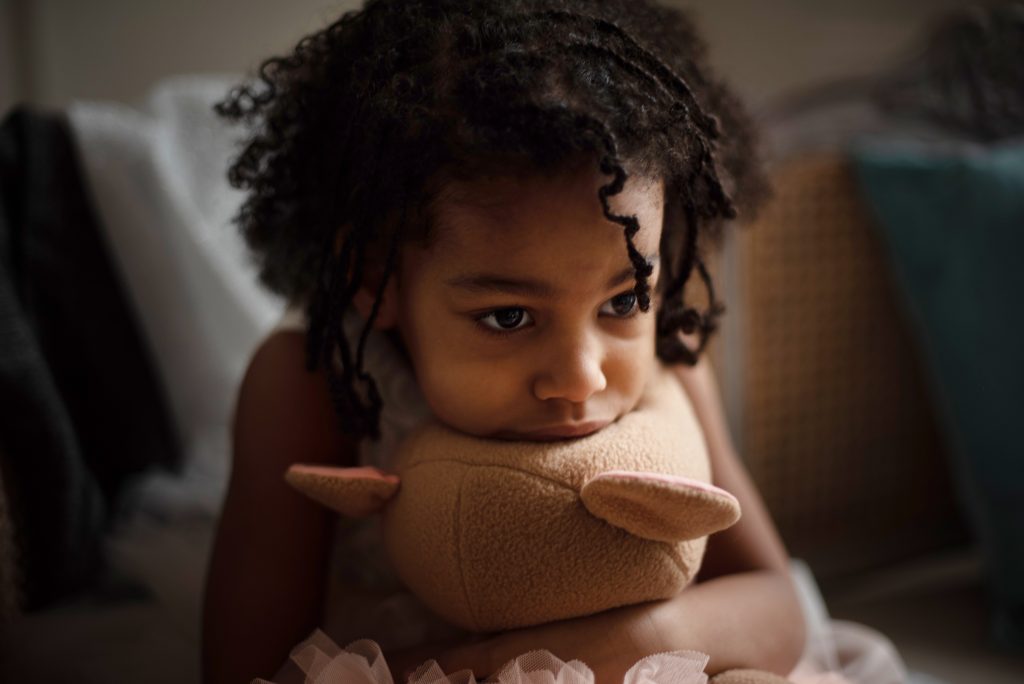
You don’t have to explain everything about tornadoes or severe weather. Children typically do best with simple, honest information. You might say: “Sometimes we have big storms in Minnesota. If one comes, we’ll go to our safe place together and wait until it passes. I’ll be with you the whole time.”
That’s often enough. Children don’t need every detail. They just want to know that someone they trust knows what to do.
Make a Family Weather Plan
Having a plan means there’s less to figure out when a storm is already happening. A few things to think about:
- If a storm warning is issued, where will your family go? For many Minnesota homes, that means heading to the basement. If you live in an apartment, look for an interior hallway or lower-level space away from windows.
- How will you get weather alerts?
- What should you bring with you if the power goes out?
- If your family isn’t all together, where will you meet or who will you call?
You don’t need an elaborate plan. Creating a clear, simple one that everyone understands is a great place to start.
Once you’ve created your plan, practice it as a family. Let your child take the lead sometimes. Knowing the plan well enough to show someone else is one of the best ways to make it stick.

During the Storm
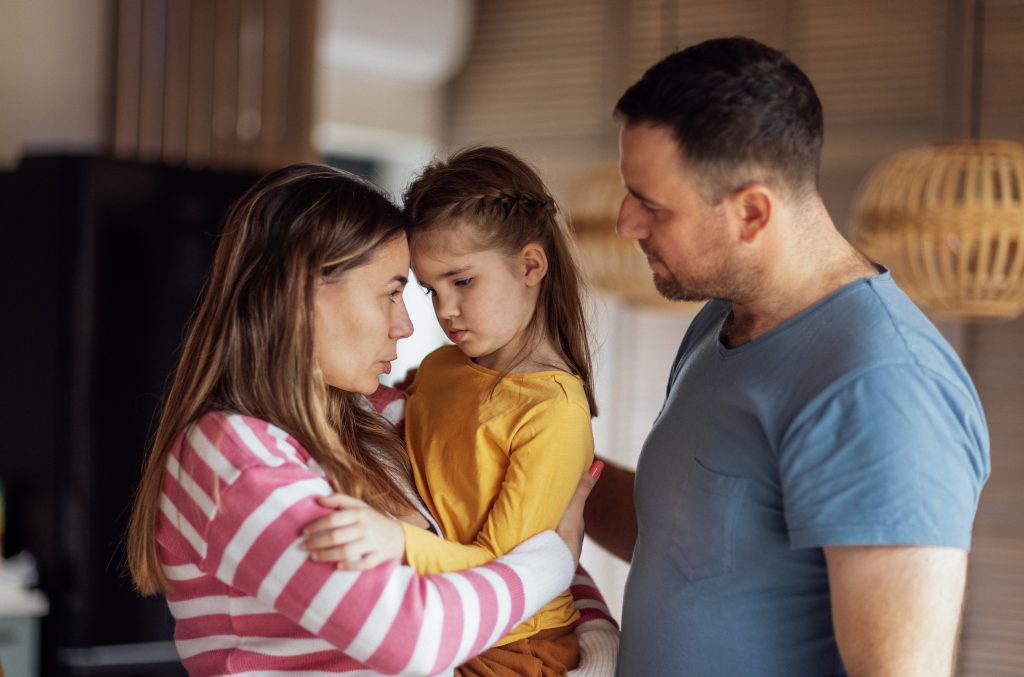
When the weather gets loud, children often look to the adults around them for reassurance. A few small things can help:
- Stay together when you can
- Speak in a calm voice
- Let your child bring a favorite stuffed animal, blanket, or book to your safe place
- Talk about what’s happening in simple words: “That’s thunder. It’s loud, but we’re safe inside.”
After the storm passes, spend a few minutes talking together. Ask what your child noticed or if they have any questions, or if there is anything they need to help them feel more comfortable. Sometimes those quiet conversations are the ones children remember most.
Severe Weather Resources for Minnesota Families
Families don’t have to face storm season alone.
The National Weather Service offers free weather alerts and family preparedness information. The Minnesota Department of Homeland Security and Emergency Management also provides resources to help families make emergency plans.
Many cities, libraries, and community organizations offer preparedness events throughout the year. Your local city website or fire department is often a great place to learn what’s available in your area.
At Way to Grow
During home visits, conversations move naturally from books and bedtime routines to everyday questions about raising young children. Sometimes that includes talking about storms and making a family weather plan. It’s not about expecting the worst. It’s about helping children know that the adults around them are ready to take care of them.
That sense of security can make all the difference to your child.
Keep Learning Together
Explore the rest of our Children’s Awareness Month Safety Series for practical tips and resources:
- Home Fire Safety for Young Children: What families learned during a hands-on visit with the Brooklyn Center Fire Department
- Water Safety for Young Children: Simple ways to stay safe at lakes, pools, splash pads, and beyond
- Building a Family Emergency Kit: A step-by-step guide for creating a kit that works for your family
- Keeping Kids Safe: A June Safety Series for Families: Explore the full series and additional family resources
Together, these articles offer practical ways to help children and families feel prepared, safe, and secure.