The Fourth of July weekend is almost here! Across Minnesota, families will be heading to the lake, cooling off at splash pads, firing up the grill, and finding a spot to watch fireworks. Whether your family’s tradition is a pontoon ride on a quiet lake, an afternoon at the pool, or a picnic by the water, there’s a lot to look forward to this time of year.
It’s also one of the busiest weekends of the year in and on the water. A few simple water safety habits for families can help keep the focus where it belongs: making memories together. 🌊
Stay Close
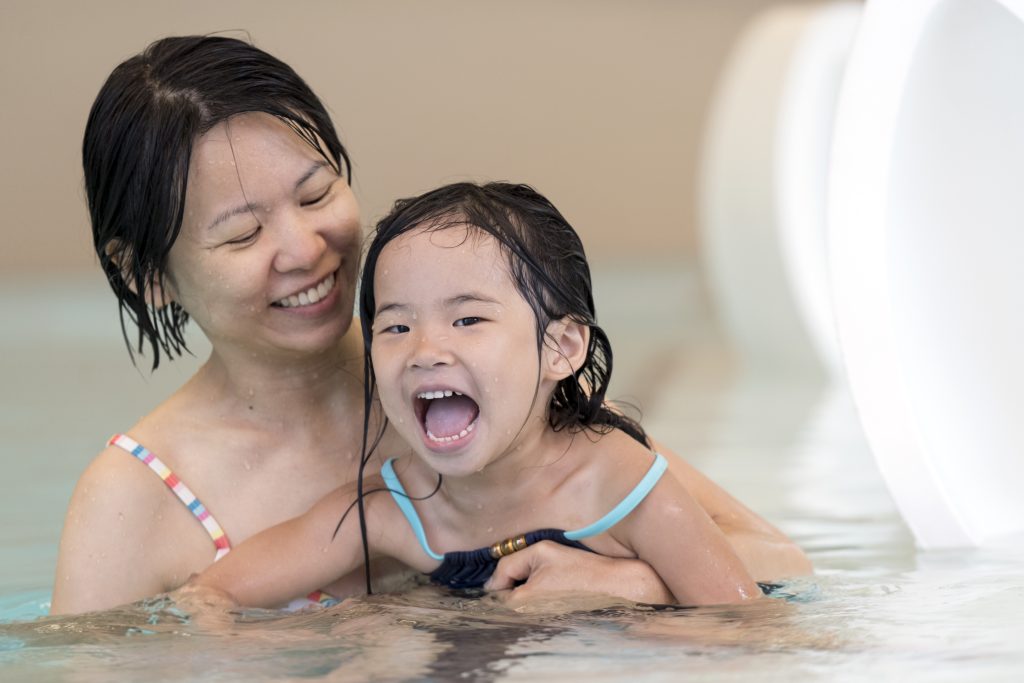
Drowning is the leading cause of accidental death for children ages one to four, and it can happen quickly and quietly, even in shallow water. “Touch supervision” is one of the most effective things a caregiver can do to stay present and close. The term means staying within arm’s reach of young children any time they are near water: pools, lakes, and even bathtubs. One adult watches at a time, with a clear handoff when that person needs a break.
It’s easy for everyone to assume someone else is watching when you’re together with friends and family. Decide ahead of time who is watching the children. When it’s time for a break, make sure another grown-up is there and ready to watch.
Life Jackets Save Lives
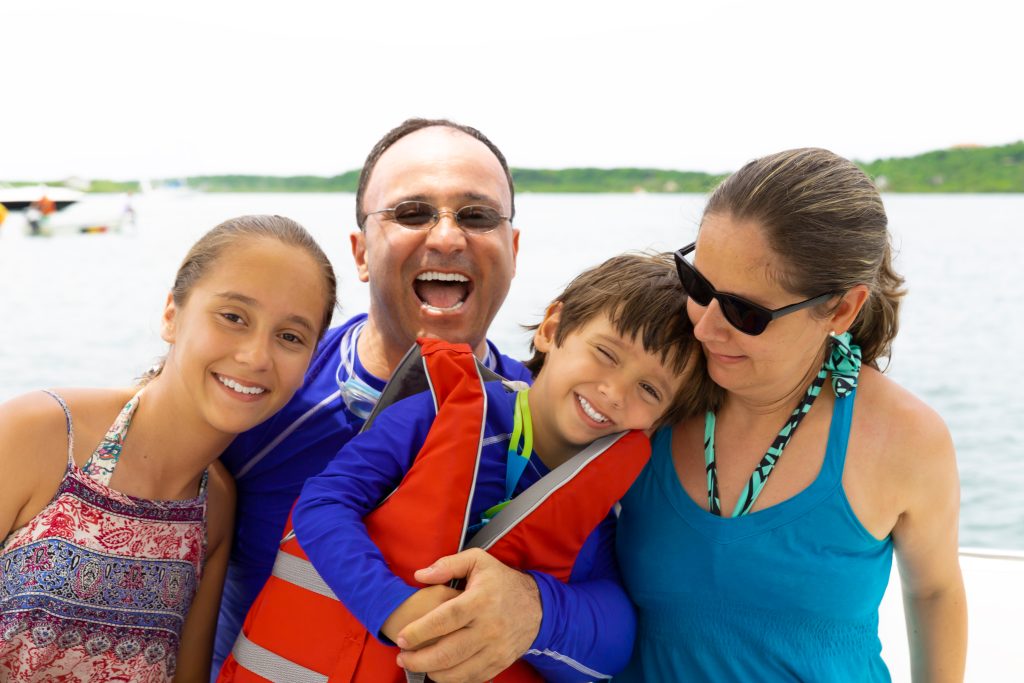
A properly fitted, Coast Guard-approved life jacket is one of the most important things you can put on a young child near open water.
A few things to check:
- The jacket should match your child’s weight range. Check the label.
- It should be snug, not loose. You shouldn’t be able to pull it up over their chin.
- Floaties and swim rings are fun, but they’re not safety devices.
If a life jacket isn’t in the budget right now, many public water accesses and county programs across Minnesota offer free loaner programs. The Sea Tow Foundation’s loaner station locator can help you find one near you. Many local libraries and park districts offer loaner programs during the summer, too.


Swim Lessons Are Worth It Earlier Than You Think
If you’ve been wondering when to start swim lessons, the answer might be earlier than you think.
Research shows swim lessons can significantly reduce drowning risk for children as young as one year old. A basic learn-to-swim class at your local rec center or YMCA is a great place to start.
If cost is a concern, ask about financial assistance. The YMCA of the Greater Twin Cities offers scholarship programs, and many park districts offer free or reduced-cost lessons throughout the summer.
Sun and Heat Safety Matter Too
A full day outside in July means sunscreen needs to be reapplied every two hours and right after getting out of the water. Other protection against the summer sun include hats, shade, and staying hydrated with plenty of water breaks. Young children can overheat before they realize it, especially when they’re having a great time.


Swimsuit Color Can Make a Difference
The color of your child’s swimsuit matters for safety, and it’s easy to overlook when packing for a day at the beach or pool.
Bright, neon colors like pink, orange, yellow, and green are much easier to spot in the water. Colors like light blue, white, and gray tend to blend in, making it harder for a caregiver or lifeguard to quickly locate a child.
When you’re shopping for swimwear this summer, think bold and bright. It’s a small choice that can make a big difference!
A Simple Checklist for the Holiday Weekend
Before you head out, take a quick look through this list:
- Coast Guard-approved life jacket that fits
- Sunscreen SPF 30 or higher, reapplied every two hours
- One designated adult watcher at a time, close and present
- Swim lessons if you haven’t started yet
- A plan for where to go and who to call in an emergency
- Know the nearest urgent care or emergency room before you head out

Water Safety Resources for Minnesota Families
Looking for a life jacket, swim lessons, or water safety information? The Minnesota DNR offers resources for families across the state.
Many local fire departments, libraries, and community organizations also offer free life jackets, swim lesson scholarships, and family safety events. Your local city website is a good place to find out what is available near you.
At Way to Grow
During home visits, Way to Grow Family Educators talk with families about all kinds of things that shape how children grow and learn, including how to stay safe during every season. If you have questions about summer safety resources in your community, your Family Educator is a good person to ask.
Here’s to a safe and happy Fourth of July weekend!
Keep Learning Together
Explore the rest of our Children’s Awareness Month Safety Series for practical tips and resources:
- Home Fire Safety for Young Children: What families learned during a hands-on visit with the Brooklyn Center Fire Department
- Severe Weather Safety for Kids: Helping children stay calm and prepared when storms roll in
- Building a Family Emergency Kit: A step-by-step guide for creating a kit that works for your family
- Keeping Kids Safe: A June Safety Series for Families: Explore the full series and additional family resources
Together, these articles offer practical ways to help children and families feel prepared, safe, and secure.