
Did you know that creating a Family Emergency Kit is easier and more affordable than you think? Most families already have a lot of what they need for a basic emergency kit. It’s more about pulling things together than buying a lot of new things. Whether it’s a power outage, a severe storm, or an unexpected situation that sends everyone looking for flashlights, having a few essentials in one dedicated place can make things a little easier.
While planning for a Family Emergency Kit might seem daunting, it doesn’t have to. You can start simple, like making a list and seeing what items you already have in your home, and then build from there. The Minnesota Department of Homeland Security and Emergency Management offers family emergency planning resources and guides. Ready.gov also provides free, family-friendly checklists and planning tools.
The Essentials
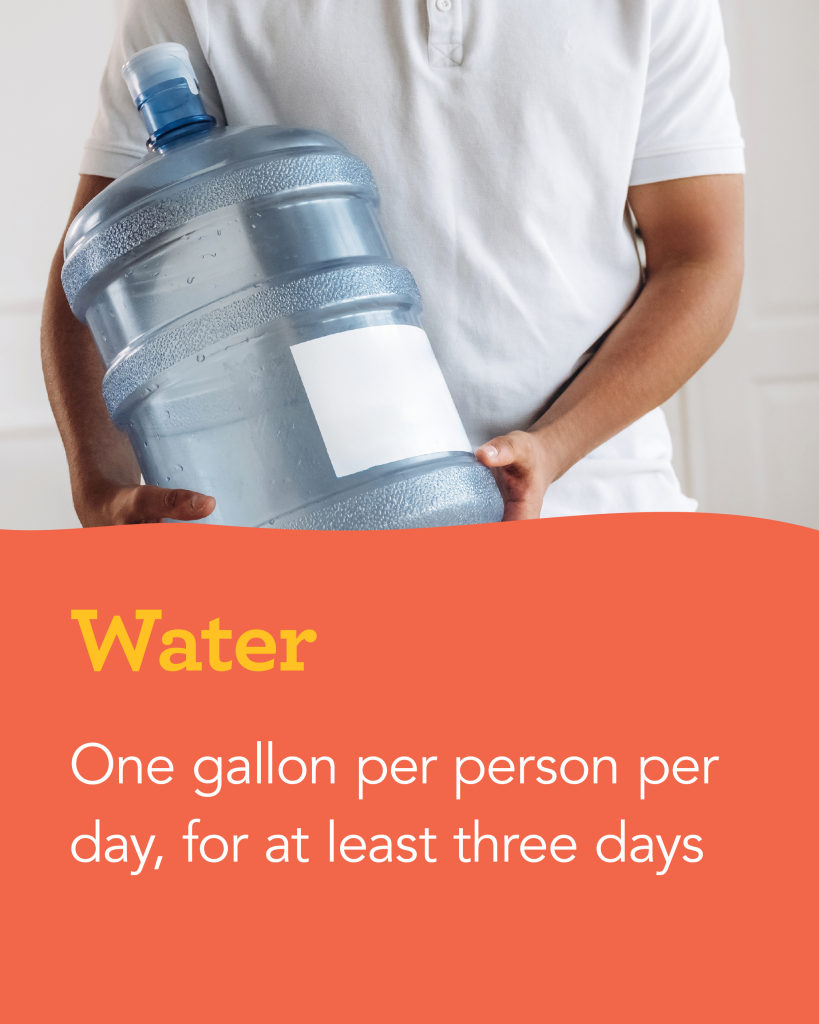
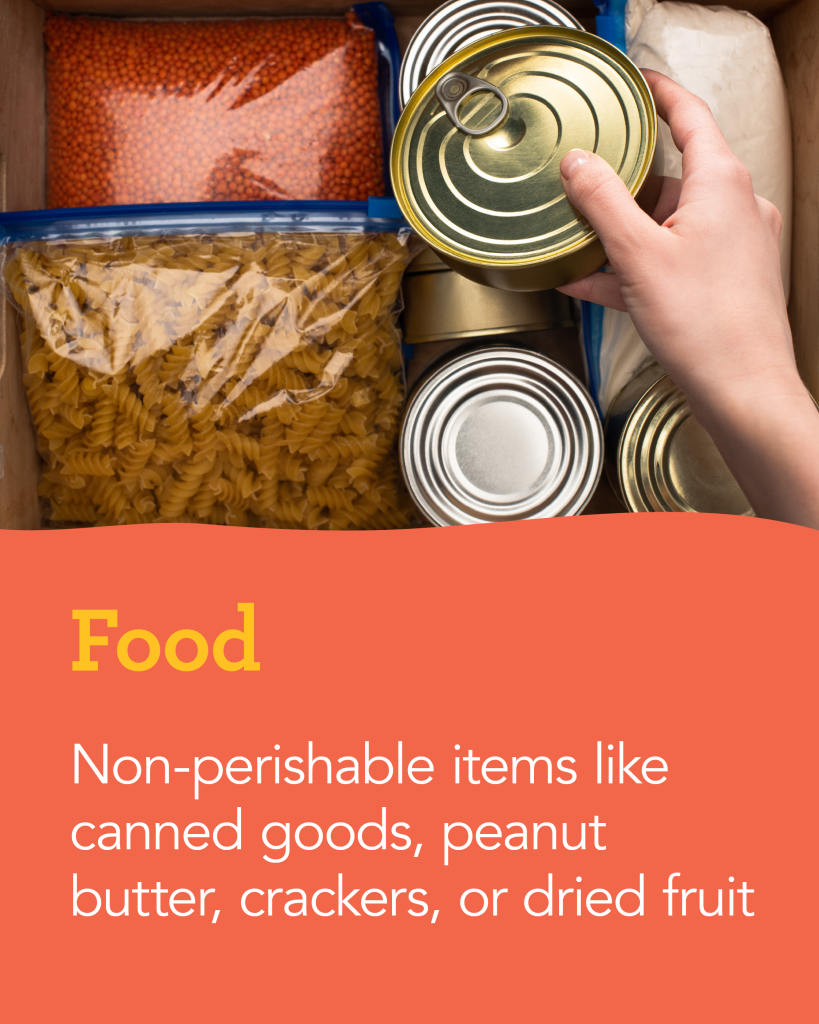
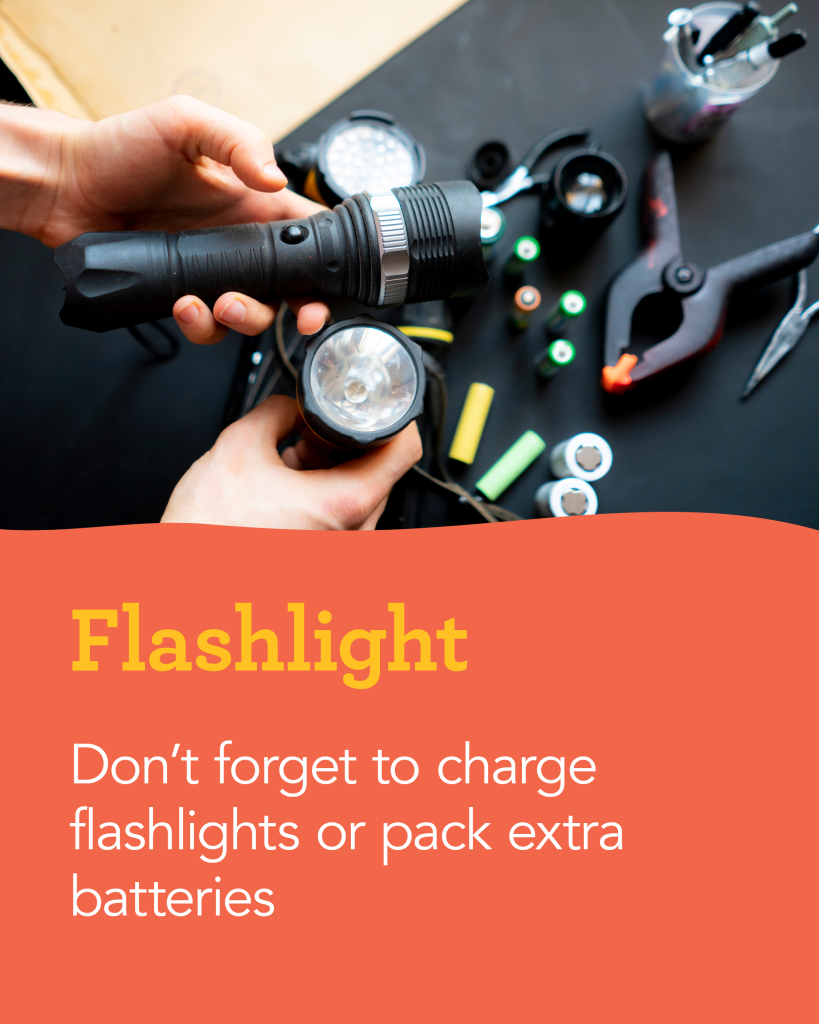
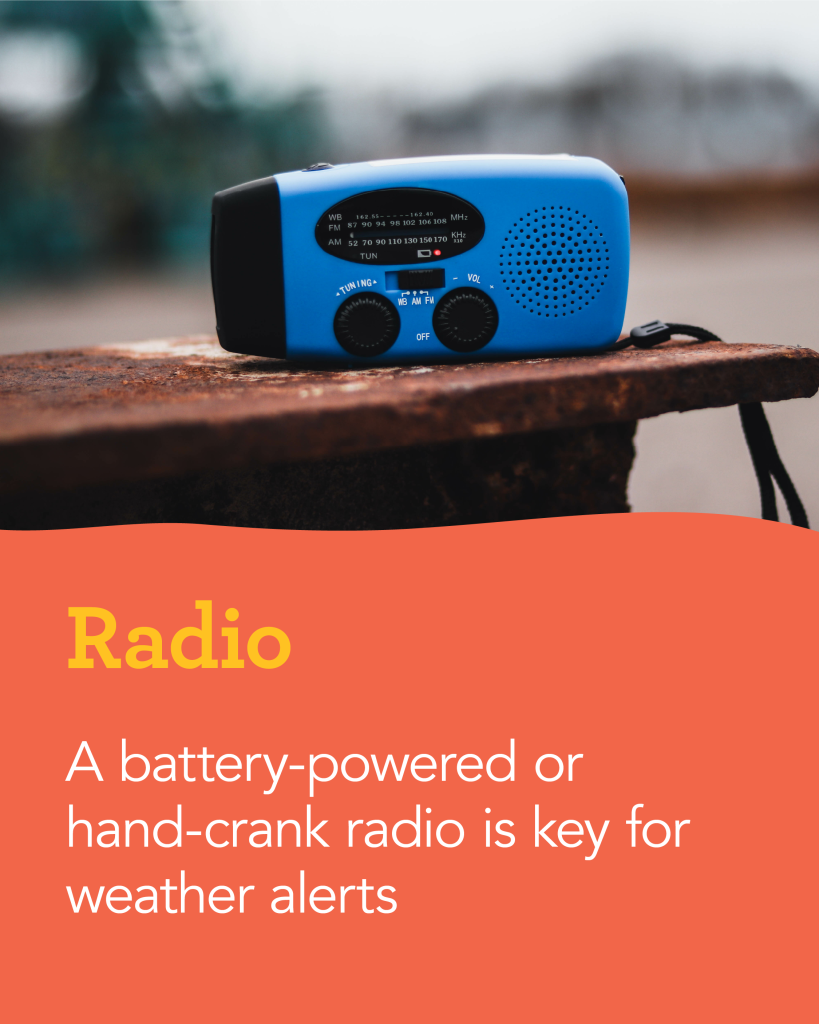
But what goes into a family emergency kit to make it so simple and affordable? A basic family emergency kit covers food, water, light, communication, and important documents. Store everything in a bin, backpack, or other easy-to-carry container. Be sure to keep it somewhere safe and accessible, so everyone in the family knows about so it’s easy to find if you need it. Finally, after it’s put together, don’t forget to check the expiration dates of your kit once a year! Remember, water, food, and medications don’t last forever.
Here’s a list to get you started:
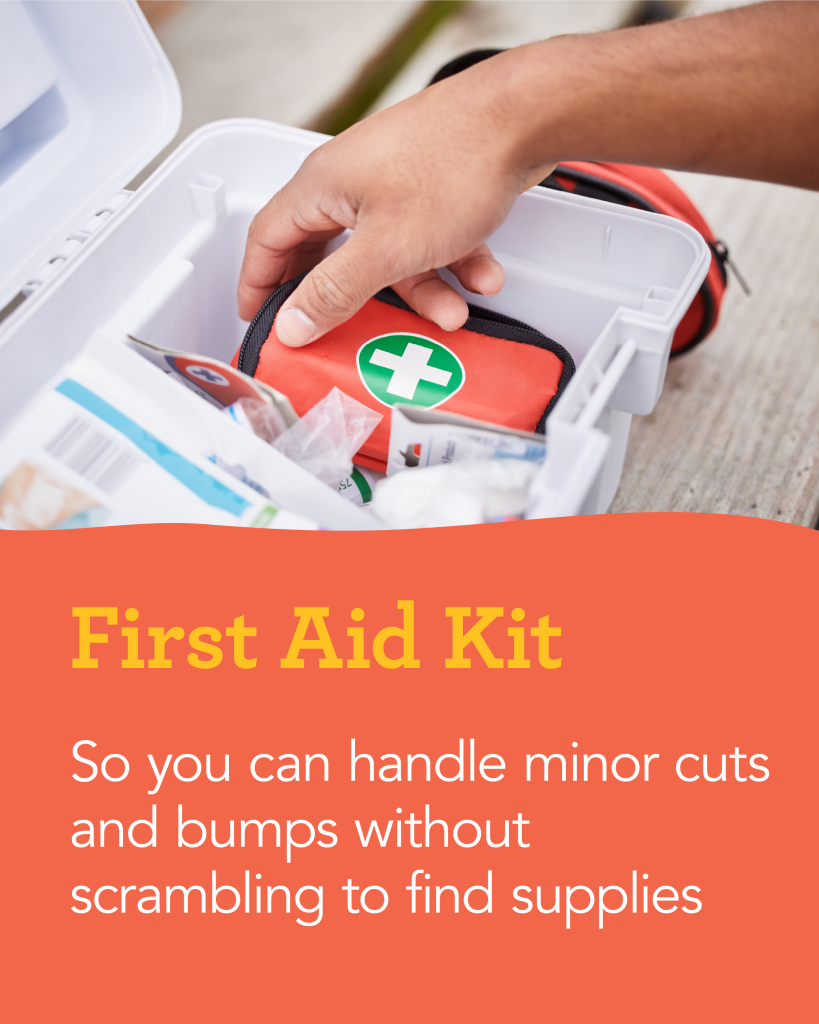
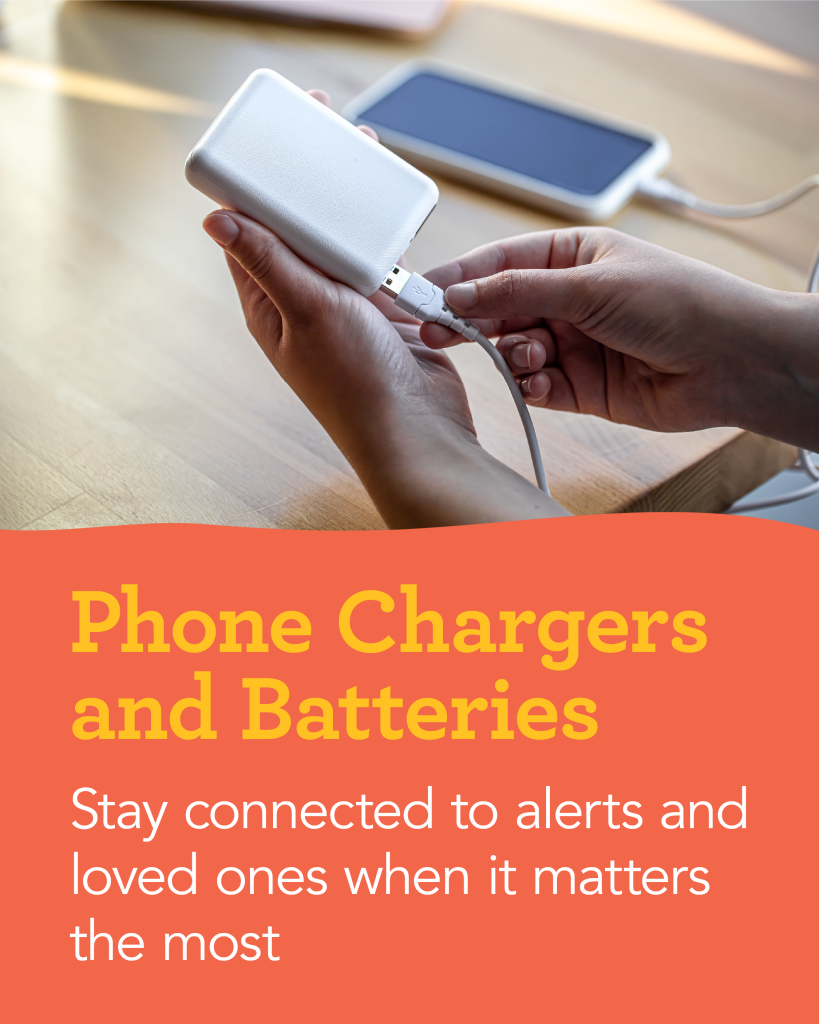
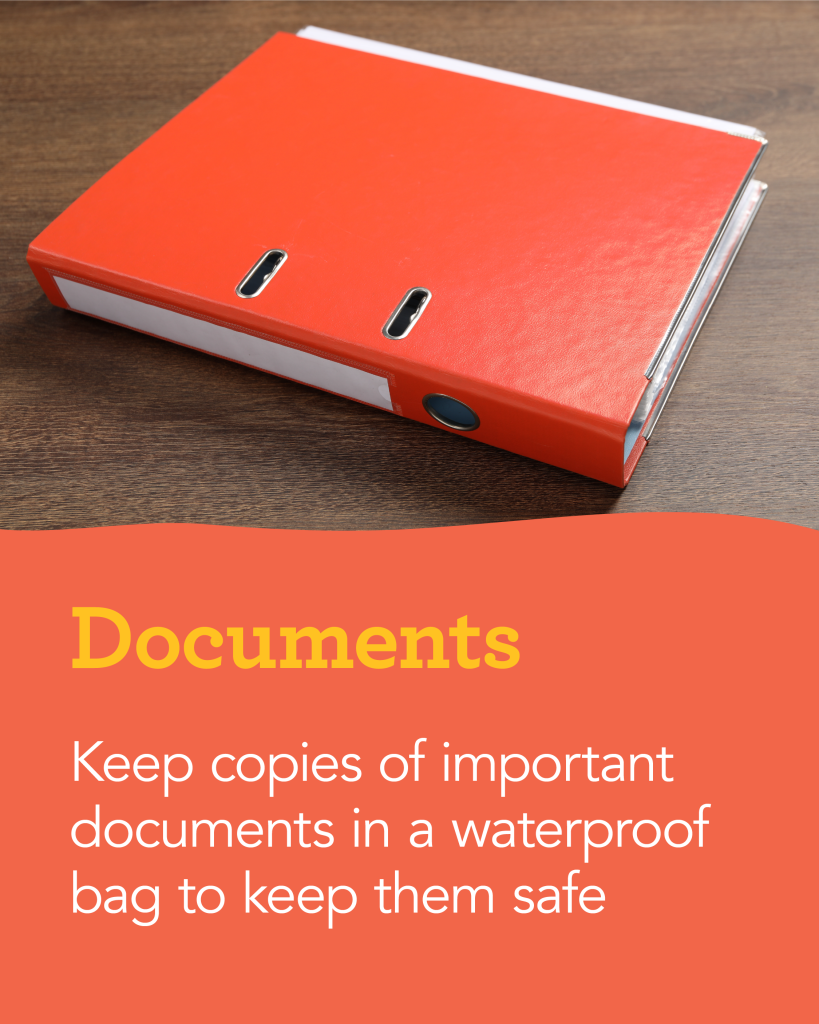
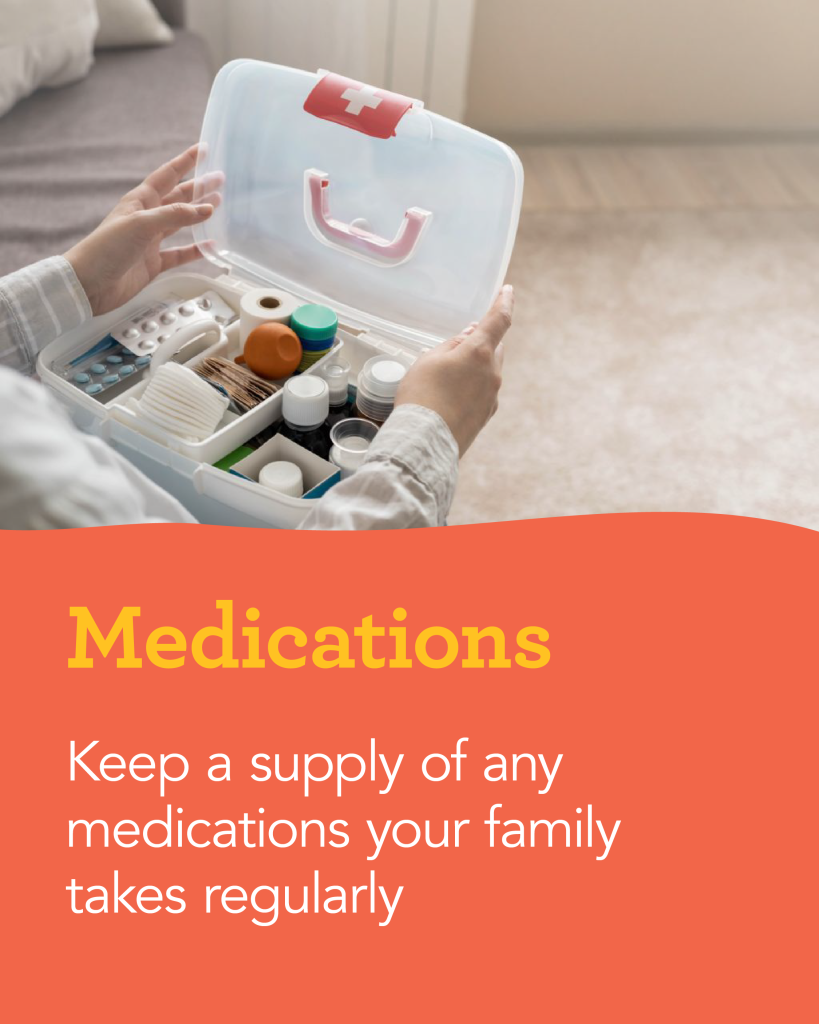
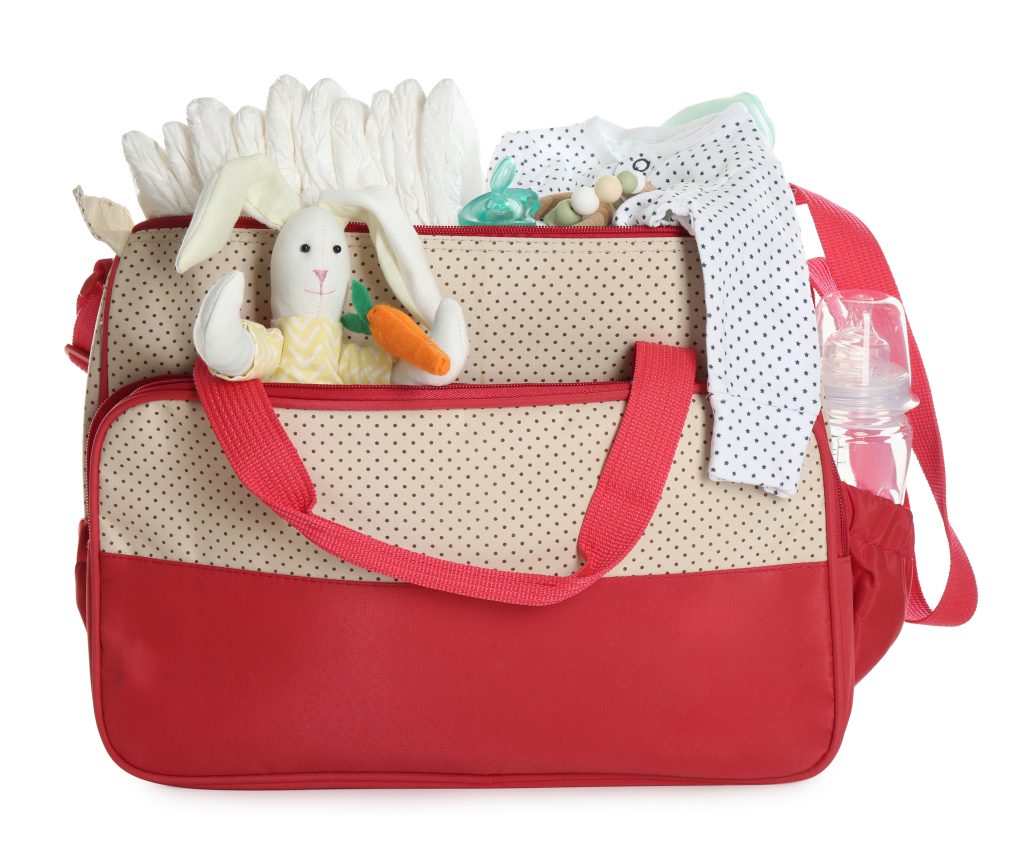
If You Have Young Children, Add These
A few extra items can go a long way when young children are involved:
- Diapers, wipes, and formula if needed
- A favorite blanket, stuffed animal, or comfort item
- A written list of your child’s medications, allergies, and doctor’s contact information
- A few simple activities like crayons, books, stickers, or playdough
Build It Over Time
You don’t have to put the emergency kit together all at once! Add one or two items each week: a flashlight one week, batteries the next, and then a few extra bottles of water the week after that. For those on a budget, dollar stores can be a practical source for flashlights, batteries, first aid basics, and non-perishable food. Food shelves, community organizations, and local emergency management offices also sometimes have supplies available for families who need them. The Twin Cities has a number of community resources available too.
A Kit Works Best with a Plan
As you build your kit, take a few minutes to think through:
- Where would you go if you had to leave your home?
- How do you plan to reach your children if you aren’t together?
- Who would you call first? Who should they call first?
- Does everyone know where the exits and storm shelter areas are in the places your family visits most often?
It’s important to make sure that your children are involved in creating the emergency kit, so that they feel confident in what to do, where to find it, and how to use it. Invite your child to help pack the bin. Encourage them to choose a stuffed animal, a favorite book, crayons, and a container or two of playdough. Having a few familiar things on hand can go a long way toward helping them feel calm during an emergency.
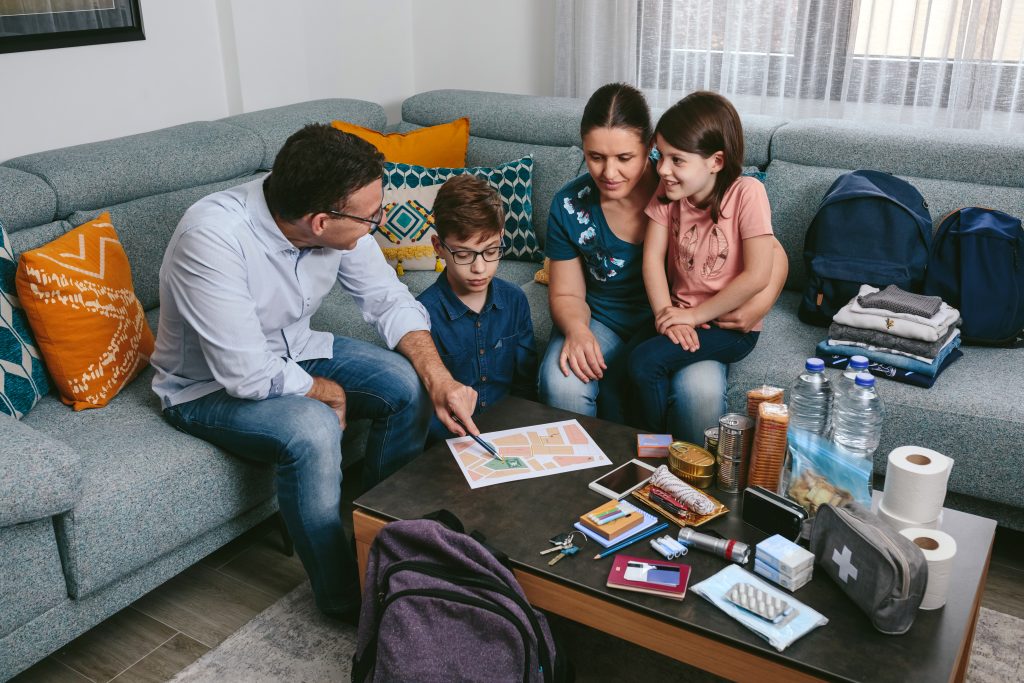
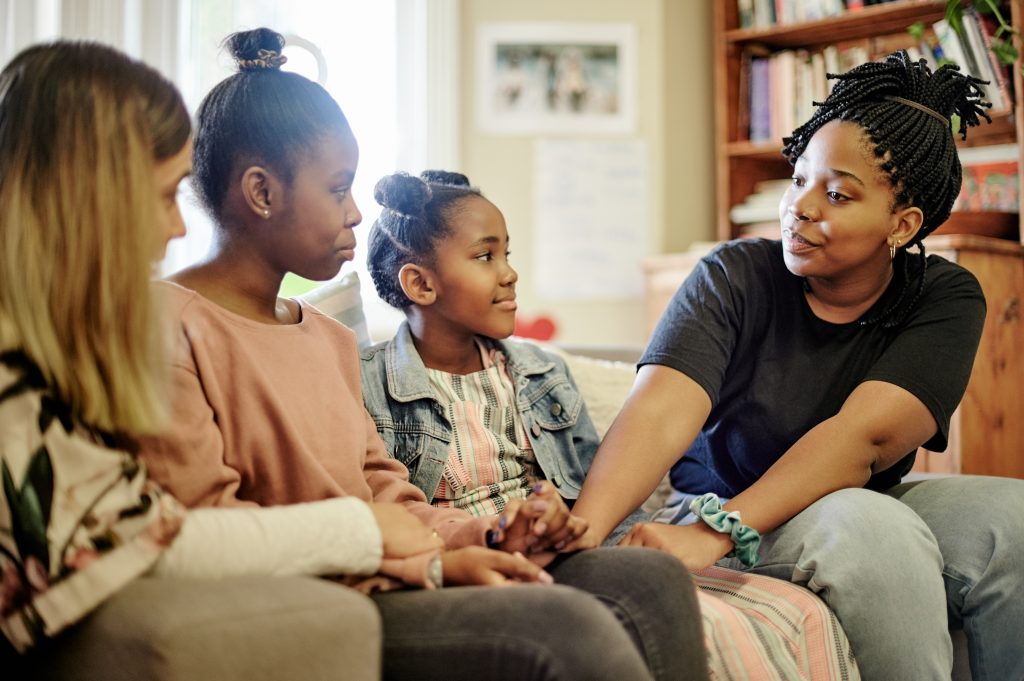
Once your plan is in place, walk through it together. Children often feel better when they know what the adults around them are doing. A simple practice run can help make an unfamiliar situation feel a little more familiar.
Emergencies don’t always happen at home. When you’re out and about at school, a community center, the library, or a favorite store, take a moment to notice where the exits are. It’s a small habit, but it’s a useful one, and it’s something you can do together as a family.
At Way to Grow
During home visits, Way to Grow Family Educators sometimes help families think through emergency planning alongside books, routines, school readiness, and the everyday questions that come with raising young children.
Keep Learning Together
Explore the rest of our Children’s Awareness Month Safety Series for practical tips and resources:
- Home Fire Safety for Young Children: What families learned during a hands-on visit with the Brooklyn Center Fire Department
- Severe Weather Safety for Kids: Helping children stay calm and prepared when storms roll in
- Water Safety for Young Children: Simple ways to stay safe at lakes, pools, splash pads, and beyond
- Keeping Kids Safe: A June Safety Series for Families: Explore the full series and additional family resources
Together, these articles offer practical ways to help children and families feel prepared, safe, and secure.